Where facilities lose time
In practice, most FANR delays are self-inflicted. Three issues come up again and again.
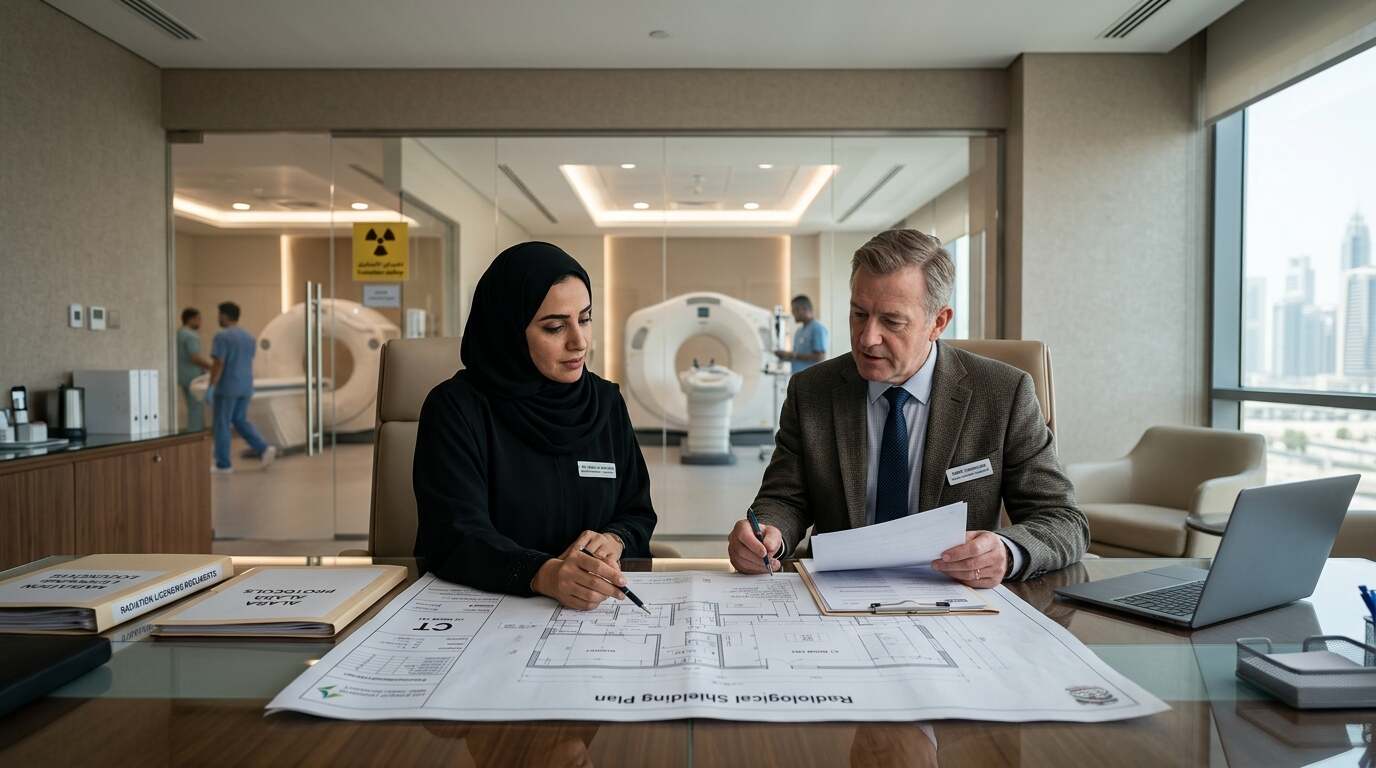
First, the Radiation Protection Program. FANR expects a documented program built on ALARA principles, the standard that exposure should be kept "as low as reasonably achievable." Many applicants submit a generic template that does not reflect their actual equipment, room layout, or staffing. Reviewers spot the mismatch immediately.
Second, shielding. FANR typically requires a detailed shielding model for each radiation room. Underestimate the calculations, or submit them without proper verification, and the application stalls pending corrections.
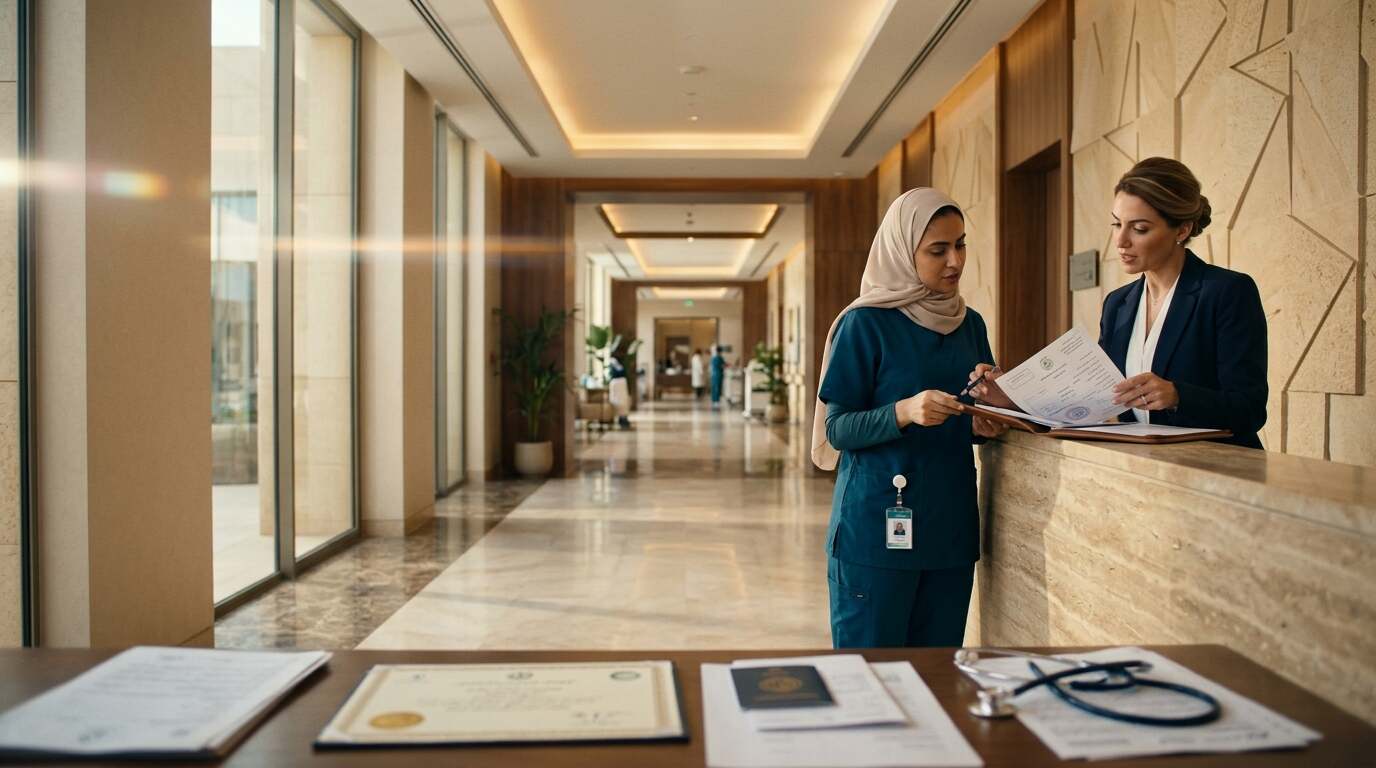
Third, documentation that contradicts itself. When the safety assessment, QA protocols, emergency plan, and training records tell slightly different stories about how the facility runs, the regulator pauses to reconcile them. Each correction round adds weeks.
The GCC context
Across the GCC, healthcare regulators are tightening oversight of diagnostic and therapeutic radiation. In the UAE specifically, imaging and oncology facilities must satisfy FANR's radiation requirements alongside clinical facility licensing from authorities such as the Department of Health Abu Dhabi or the Dubai Health Authority. These tracks run in parallel, and treating FANR as an afterthought is a common, expensive mistake. Investors planning a phased rollout across multiple emirates face this complexity multiplied.
What good preparation looks like
A facility that approaches FANR licensing strategically does a few things differently. It identifies the correct license category early, whether a Practice License for operating equipment or a Source License for handling radioactive material. It builds the Radiation Protection Program around the real facility, not a template. It commissions a defensible shielding model before submission. And it appoints and trains a qualified Radiation Safety Officer who can stand up to inspection scrutiny.
This is also where the FANR e-Licensing portal matters. Submissions, document uploads, and fee payments run through the portal via UAE Pass. Avoidable errors, such as expired credentials or unsigned files, cause more delays than people expect.
The measurable payoff
Done well, FANR licensing becomes a predictable milestone rather than an open-ended risk. Facilities that prepare properly typically clear approval within weeks rather than months, install equipment on schedule, and open audit-ready. Just as important, they avoid the operational and reputational damage of a regulatory rejection during construction or fit-out.
For hospitals and investors managing capital-intensive timelines, that predictability is the real value. A licensing process that protects your opening date protects your return on investment. If you are also navigating broader setup, our work in healthcare facility licensing, regulatory compliance consulting, and healthcare facility setup connects directly to radiation approvals, so nothing falls through the cracks between regulators.
The facilities that struggle with FANR are rarely the ones that lack ambition. They are the ones that treated radiation licensing as paperwork instead of a discipline. Get the discipline right, and the license follows.
SUMMARY
Most FANR licensing delays in the UAE are self-inflicted. Learn the three documentation mistakes that stall radiation approvals and how prepared facilities open on time.












.png)






.png)



.png)